LINGUINE WITH WHITE CLAM SAUCE

Lidia Bastianich

My daughter’s husband served me this recipe, and it was so good, I have to include it in the blog. You can watch Lydia make this on YouTube.

Ingredients

  • 6 TABLESPOONS EXTRA-VIRGIN OLIVE OIL
  • 6 GARLIC CLOVES, SLICED
  • 4 ANCHOVIES, SLICED
  • 36 LITTLENECK CLAMS, SCRUBBED
  • 1/4 TEASPOON PEPERONCINO FLAKES (red pepper flakes)
  • 1/4 TEASPOON DRY OREGANO
  • 1 POUND LINGUINE
  • 3/4 CUP CHOPPED FRESH ITALIAN PARSLEY

Bring a large pot of water to boil for pasta. In a large straight-sided skillet, heat 4 tablespoons olive oil over medium heat. Add sliced garlic and cook until sizzling, about 1 to 2 minutes. Add anchovies and stir until the anchovies break up and dissolve into the oil, about 2 minutes.

Add the clams to the skillet, along with the peperoncino and oregano. Bring to a simmer, cover, and cook until clams open, about 5 to 7 minutes. As the clams open, remove to a bowl. (Discard any unopened clams.) Meanwhile, add linguine to pasta water.

When all the clams are out, and the linguine is al dente, ladle in about 2 cups pasta water, increase heat to high, and add 1/2 cup of the parsley. Cook until liquid is reduced by half. Meanwhile, shuck the clams.

When the sauce is reduced, add the pasta directly to the sauce. Cook and toss until the pasta is coated with the sauce. Add shucked clams and remaining ¼ cup chopped parsley, Cook a minute more, to blend the flavors, and serve.

Note: In the video, Lidia does not add pasta water to the sauce; she pours some white wine into it. Watch the video to judge the amount. She also pours olive oil onto the finished dish, the other 2 Tablespoons. You do not have to shuck the clams. They can be served whole on top of the linguini.
Discovering Greenpoint, Brooklyn, Updated

I thought I was no stranger to the Greenpoint area of Brooklyn having eaten at Di and Di Vietnamese Restaurant and Frankel’s Delicatessen & Appetizing, but was pleasantly mistaken. After two consecutive days of exploring and dining, I am only beginning to discover this amazing neighborhood.

Greenpoint sits on the East River, on the border of Williamsburg, and like its neighbor, has a park and promenade along the waterfront, although somewhat smaller and less crowded. Transmitter Park offers natural wetland landscaping, a nautical themed children’s play area, a pedestrian bridge and a pier with views of Manhattan.

Our first stop was brunch at Lingo after being intrigued by their menu out front. The restaurant offered “a unique blend of Japanese American cuisine.” The name, Lingo, means apple in Japanese, and is a nod to the owner’s affection for NYC. Brunch was delicious – quiche topped with a smattering of bonito flakes, soft scrambled eggs with a slab of grilled bacon, grilled sour dough bread that was brushed with sake, and pots of mint tea.

After a stroll around the area, and viewing the beautiful old row houses on the surrounding streets, it was time for pizza at Paulie Gee’s. Not bad! It was then that we noticed the long line at Taqueria Ramirez down the block and vowed to return another time, which we did – the next day! It was named one of the best taco counters in NYC and got an excellent review by the New York Times. It didn’t disappoint.

Lastly we discovered The Radio Bakery on India Street and have already been back twice. Their breads are some of the best I have ever eaten, along with heavenly focaccia, “sandwiches that riff on classics from places like New Orleans, Midtown street carts, the Grecian Islands and your corner bodega” (Brooklyn Magazine), and a wide selection of savory and sweet to choose from.

So if you’re looking for adventure, try this wonderful neighborhood. There is so much more to explore.

Update: We tried Taku Sando, a Japanese sandwich shop in Greenpoint that focuses on Japanese milk bread. “Theirs is soft and pillowy, with a crust like a perfectly smushed donut. It’s dense, chewy, a little sweet, and a great textural contrast to all the crunch in the pork and chicken katsu sandwiches. They use panko made from leftover loaves, and the sandwiches are loaded with slivered cabbage, pickles, a sweet sauce, and a mayo and karashi mustard combination. They also make egg salad and korokke (croquette) sandwiches, a few salads and paper-thin ribbon fries.” (The Brooklyn Hit List: The Best New Restaurants In Brooklyn). Fun!!!!

Teriyaki Sauce and Yakitori (Grilled Chicken Skewers)

From Japanese Cooking, A Simple Art, by Shizuo Tsuji

Yakitori by Melissa Clark

Makes 1 1/2 cups:

7 tablespoons sake

7 Tablespoons mirin

7 Tablespoons dark soy sauce

1 Tablespoon sugar

Mix ingredients in a saucepan and bring to a boil over medium heat; boil until sugar is dissolved. Use immediately, or cool, bottle, and store in the refrigerator.

For chicken teriyaki:

6 chicken thighs with skin and bone or a combination of drumsticks and thighs

vegetable oil

1/2 cup teriyaki sauce

Pierce chicken skin with a fork to allow sauce to penetrate freely. Heat a small amount of oil in a medium-sized heavy bottomed skillet. Lay chicken skin side down in the skillet. Pan fry over medium high heat until chicken skin is well browned. Move chicken in the pan to keep from sticking to the skillet. When browned, turn and fry, covered, for about 10 minutes. Remove chicken temporarily from the pan. Over medium heat, into the juices in the pan, pour the teriyaki sauce. Bring liquid to a boil, stirring. After a minute or so, the liquid will thicken slightly and take on a luster. Return chicken to the skillet turning chicken several times so that it is well coated in teriyaki sauce. Remove from heat when sauce is almost completely reduced, a few minutes at most.

Note: The author suggests using boneless thighs and drumsticks.

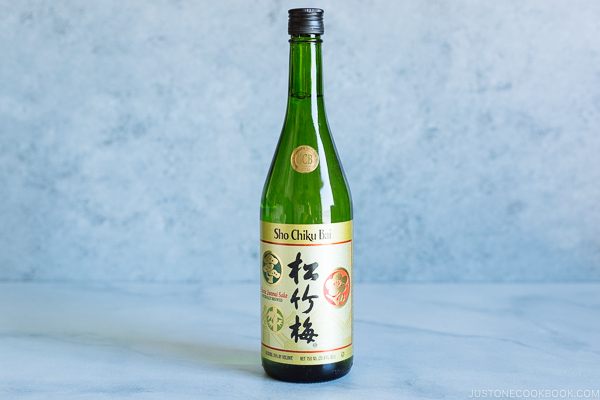
Sake, or Nihonshu, is a Japanese alcoholic beverage made of short-grain rice. It’s a centuries-old drink and a vital part of Japanese culture that’s drunk and used in Japanese cuisine.

Note: The Yakitori recipe can use the above Teriyaki sauce instead of the sauce suggested. I found Melissa Clark’s recipe not sweet enough, however do add the garlic and ginger. You can increase both of their amounts if desired.

Yakitori (Grilled Chicken Skewers):

Yakitori is Japanese skewered and grilled chicken that can use approximately 30 different chicken parts, from momo, or chicken thigh, to nankotsu, or chicken cartilage. This recipe calls for marinating chicken thighs, gizzards and livers in a savory-sweet sauce of ginger, sake, mirin, soy sauce, garlic and a touch of brown sugar, grilling or broiling, then scattering with chopped scallions. Serve it alongside something fresh and green, like a cucumber salad, and a pile of rice.

INGREDIENTS

Yield: 6 appetizer servings

  • 1 pound chicken livers, gizzards or boneless thigh meat
  • ½ cup dark soy sauce or tamari
  • ¼ cup mirin
  • 2 tablespoons sake or dry sherry
  • 1 tablespoon brown sugar
  • 2 garlic cloves, peeled and smashed
  • ½ teaspoon grated fresh ginger
  • Scallions, thinly sliced, for garnish
PREPARATION
  1. Cut chicken into one-inch pieces and place in a shallow dish.
  2. In a small saucepan, combine soy sauce or tamari, mirin, sake or sherry, brown sugar, garlic and ginger. Bring to a simmer and cook for 7 minutes, until thickened. Reserve 2 tablespoons sauce for serving. Pour remaining sauce over chicken, cover, and chill for at least one hour (and up to 4 hours).
  3. If using wooden or bamboo skewers, soak them in water for one hour. Preheat grill or broiler. Thread chicken pieces onto skewers (can use rectangular pieces of scallions in between chicken pieces), and grill or broil, turning halfway, for about 3 minutes for livers, 10 minutes for gizzards and 6 minutes for thighs.  Serve drizzled with reserved sauce and garnished with scallions. (Adding reserved sauce to chicken may make the dish too salty.)

VEGETABLE PISTOU

By Eric Ripert

Growing up, my family would make this simple dish every year in the middle of August when summer vegetables are at their peak… We would gather at long tables in the garden on those warm evenings in Provence to eat this pistou together… Each time I make it, it takes me right back. I hope you enjoy cooking this recipe as much as I do! (This is the original recipe from my Grandmother Emilienne.)

Note: If you use a little more onion, the whole zucchini, and not peel the tomato, it’s ok! Also, I used only half of the basil.

Ingredients:

1/2 cup dried white navy beans

sea salt, pepper

1/4 of a small onion, 1 medium carrot, 1/2 of a medium zucchini, 12 to 15 green beans. All the vegetables are 1/4 inch diced.

1 medium tomato, peeled, 1/4 inch diced.

3 cups of loosely packed basil leaves, about 1 bunch

1 garlic clove, chopped

1/3 cup olive oil

Directions:

Soak beans overnight. Drain. Cook in 3 cups of water. When almost done, add salt and pepper. Then stir on onion, zucchini, carrot, green beans, and tomato. Cook for 10-12 minutes.

Blanch basil for 30 seconds in hot water and then transfer to a bath of cold water. Gently squeeze out excess water. Transfer to a blender. Add garlic and with blender on low, slowly stream in the olive oil. Puree pesto. Add salt and pepper.

Stir pesto into beans and vegetables. Adjust seasoning.

Note: When I added the vegetables to the beans, I needed to add a little more water. (This pistou recipe is a soup.)

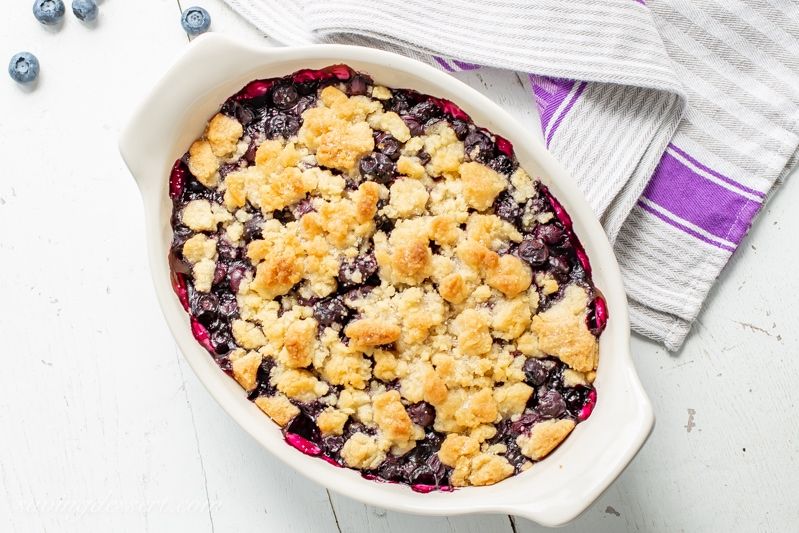
Blueberry Crisp

By Genevieve Ko

The crackly almond roof of this summer-in-a-dish dessert gives way to jammy berries begging to be swirled with ice cream. To make this dead simple treat even easier, the crisp topping is simply stirred with melted butter, which binds together the dry ingredients while giving the mixture a sturdiness that holds up against the juicy fruit. Sliced almonds require no chopping and add a delicate crunch, but chopped pecans would be delicious here too.

(You might want to try this topping recipe with the peach crisp also.)

INGREDIENTS

Yield: 6 to 8 servings

For the topping:

  • 1 lemon (Taste your blueberries. If they are not sweet, omit the lemon.)
  • ½ cup/100 grams granulated sugar
  • 1 cup/136 grams all-purpose flour
  • ½ cup/52 grams sliced almonds, toasted if you’d like
  • ½ teaspoon fine salt
  • ½ cup/114 grams unsalted butter, melted and cooled
  • For the filling:
  • ½ cup/100 grams granulated sugar
  • 1½ packed tablespoons cornstarch
  • 2 to 2¼ pounds blueberries
  • Ice cream, for serving

PREPARATION

  1. Heat the oven to 375 degrees.
  2. Prepare the topping: Zest the lemon directly over the sugar in a medium bowl and mix with a fork. (Save the zested lemon for the filling.) Mix in the flour, almonds and salt.
  3. The cooled melted butter has likely separated, so stir it until evenly pale yellow, then drizzle over the dry ingredients. Stir lightly and quickly until the mixture forms pea-sized crumbles with gravelly bits; don’t overmix. Refrigerate until ready to use. The topping can be covered and refrigerated for up to 3 days.
  4. Make the filling: Whisk the sugar and cornstarch in a large bowl to break up starchy clumps. Add the blueberries and squeeze in 1 tablespoon lemon juice from the reserved zested lemon. Toss until evenly coated, then scrape into a 1½- to 2-quart casserole (such as a 9-inch square dish or deep-dish pie plate).
  5. Spread the berry filling in an even layer, then cover with the topping, leaving no gaps. Place the dish on a rimmed baking sheet to catch any drips.
  6. Bake until the topping is golden brown and the filling is bubbling like lava, 40 to 45 minutes. You don’t want to burn your mouth eating the crisp hot, so let it cool for at least 15 minutes and preferably an hour or so because the filling firms up as it cools. It can be served warm or at room temperature, ideally with ice cream.

Peach Crisp

By Yossy Arefi

I am including 2 fruit crisp recipes. Serve them warm, ideally with ice cream.

Choose peaches that are just ripe for baking, as super-ripe peaches will turn into mush during this dessert’s long bake time. In this crisp, the peaches are peeled for the most luscious texture — and you can do so using a standard Y-shaped peeler (no need to boil a pot of water). That said, if you don’t have the time or energy to peel your peaches, you can leave them on for a slightly more rustic dessert.

INGREDIENTS

Yield: 8 servings

  • 3 pounds peaches (about 8), peeled and cut into ½-inch slices
  • ⅓ cup/67 grams granulated sugar
  • 1 tablespoon freshly squeezed lemon juice
  • 1 tablespoon cornstarch
  • Fine salt
  • 1 cup/128 grams all-purpose flour
  • ½ packed cup/100 grams light brown sugar
  • ½ cup/45 grams rolled oats
  • ½ cup/113 grams unsalted butter, soft but cool and cut into pieces
  • Vanilla ice cream (optional), to serve

PREPARATION

  1. Heat oven to 375 degrees with a rack in the center.
  2. In a large bowl, combine the peaches, granulated sugar, lemon juice, cornstarch and a pinch of salt. Stir to combine, transfer to an 8-by-8 inch baking dish and press down gently to compact the fruit in the dish.
  3. To a medium bowl, add the flour, light brown sugar, oats and ¼ teaspoon salt; stir to combine. Add the butter and use your fingers or a pastry blender to smash the butter into the flour mixture until evenly mixed and clumps form.
  4. Sprinkle the crumbs evenly over the peaches, then bake the crisp until the topping is golden brown and the peach juices are bubbling, 45 to 50 minutes.
  5. Serve warm, with vanilla ice cream on top, if using.

Roast Chicken with soy sauce, mirin, olive oil and black pepper

(Mirin is a rice wine found in Asian groceries. It has a low alcohol content which cooks off once it’s heated through.)

This is my own recipe for a delicious roast chicken. There are no exact measurements. You just have to trust your taste.

Ingredients:

1 whole chicken, brined

olive oil

soy sauce (This recipe may take more soy sauce than you would expect.)

mirin

black pepper (optional, garlic powder)

1 large onion, thinly sliced, 2-3 Yukon gold potatoes, peeled and halved, 1-2 large carrots, sliced in rounds

Instructions:

Wash and brine the whole chicken. Do not rinse off brine, but pat dry with paper towels. Heat oven to 400.* Place chicken in a roasting pan that has a cover. Pour some olive oil over chicken and spread with hands. Pour some soy sauce on the chicken and do the same. Pour some mirin on the chicken, less than the amount of soy sauce, and spread. Add some freshly ground black pepper and garlic powder, if desired. Arrange onions, potatoes and carrots around the chicken. Pour a little soy sauce on the potato halves. Roast uncovered in oven for 20 minutes. Then cover the chicken and reduce the heat to 350.* Bake for about 1 1/2 to 2 hours more, basting, and tasting the gravy in between. Take off the cover the last 15 minutes if chicken needs further browning.

Tasting the gravy: You will need to taste it to see if you need to add more soy sauce. If yes, pour some directly onto the chicken. Then baste. It should taste a little salty and a little sweet. Trust yourself. It’s perfect if you like it!

How To Make A Quick Chicken Brine

Brining your poultry, whether it be chicken, turkey, or other types of poultry has long been one of the top secrets of top chefs and restaurants. Brining your lean meats is an excellent way to keep your poultry from drying out during the cooking process.

What Is the Brine Ratio? 

The basic ratio of salt to water for a brine is 4 tablespoons of kosher salt per 1 quart (4 cups) of water. If you are using fine table salt, reduce the amount to 3 tablespoons. Keep in mind, also, that different kosher salt brands vary in how salty they actually are. When in doubt, cut down on the amount of salt or the amount of time you brine the item.

Instructions for a larger brine:

  1. This quick chicken brine recipe calls for 1 cup of salt per gallon of water. You will most likely need more than 1 gallon of water. You want to cover your chicken pieces completely. If you use 4 gallons of water, you will use 4 cups of salt and so on. 
  2. Wash all of the chicken pieces or meat that you are going to brine.  
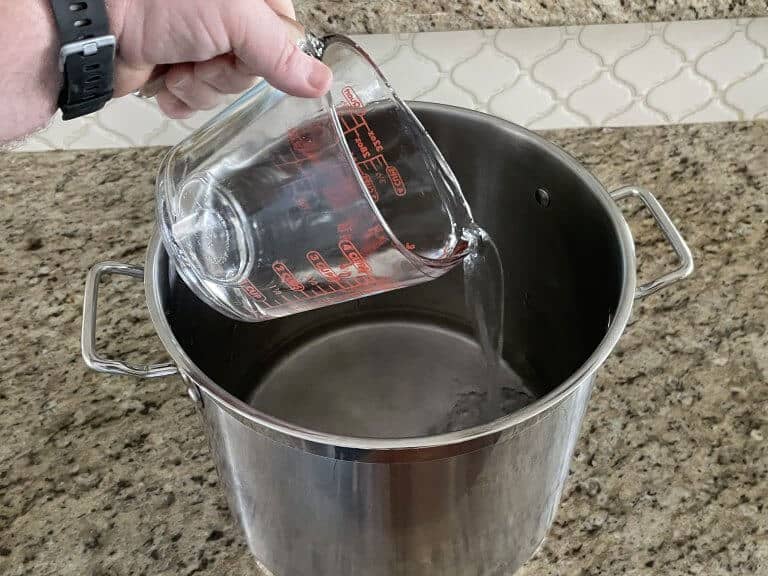
  3. Fill up your pot about halfway with cold water, measuring the water as you put it in so you will know how much you have put in the pot. 
  4. Add 1 cup of salt per gallon of water. 
  5. Stir the salt in the water until it has dissolved. If you want a quick way to do this, you can add a few cups of water to a small pot. Heat it on medium heat until the salt has dissolved, then add it to the rest of the water in the larger container. 
  6. To flavor the chicken, you can add herbs and spices to the brine, such as rosemary, bay leaves, black pepper, or any other spice you desire.
  7. Place the chicken pieces or other meat into the pot or container. 
  8. Soak for up to 12 hours.  (I usually brine a chicken for two hours before roasting.)
  9. After the soak time, remove the chicken pieces or other meat from the container and pat dry with paper towels or allow to drip dry on a cooling rack over a sheet pan. Do not rinse off brine.

Spanakopita

This is a wonderful recipe from a Greek cooking class.

Ingredients:

2 ounces extra virgin olive oil (4 Tablespoons)

1 pound fresh spinach, washed , drained, and chopped

2 bunches scallions, thinly sliced

1/2 bunch dill, minced

8 ounces ricotta cheese

3 eggs

1 pound feta cheese broken into large pieces

salt and freshly ground black pepper

1 package of phyllo dough

1/2 pound butter, clarified

pastry brush

How to make clarified butter

  1. Melt butter in a 1 quart saucepan over low heat, without stirring, 10-15 minutes, or until melted, and solids separate from fat.
  2. Remove from heat; let stand 5 minutes. Skim off foam. Slowly pour off clear yellow liquid, leaving behind the residue of milk solids that has settled to bottom of pan. Cover; store refrigerated. 

Directions:

Preheat oven to 350* F

In a medium saucepan, heat the olive oil on medium high heat. Add the spinach and scallions and sauté until wilted. Add the dill and continue to sauté briefly.Cool and drain off excess liquid.

Combine the ricotta, eggs and broken feta and mix together.

Add the spinach mixture to the cheese mixture. Season with salt and pepper.

Open package of phyllo dough and cut entire package in half lengthwise to make two long rectangles. Place one on top of the other. Keep covered with a damp dish towel while making each triangle.

Take out one rectangular piece and brush lightly with melted clarified butter and place second sheet on top, brushing again with clarified butter.

Fold the rectangle in half lengthwise to make one long narrow rectangle. Brush lightly with melted butter. Place 2 teaspoons of the filling in lower left hand corner. Fold the lower right hand corner to the opposite side of the rectangle, covering the filling, and making a triangle. Continue folding the rest of the triangle in this manner, much like folding a flag. Repeat with the remaining phyllo sheets and the filling.

Arrange on a parchment lined pan, brush with melted butter, and bake in the oven for 20-25 minutes until golden.

Note: If you need a video, search “how to fold phyllo dough (spanakopita triangles)” on youtube.com

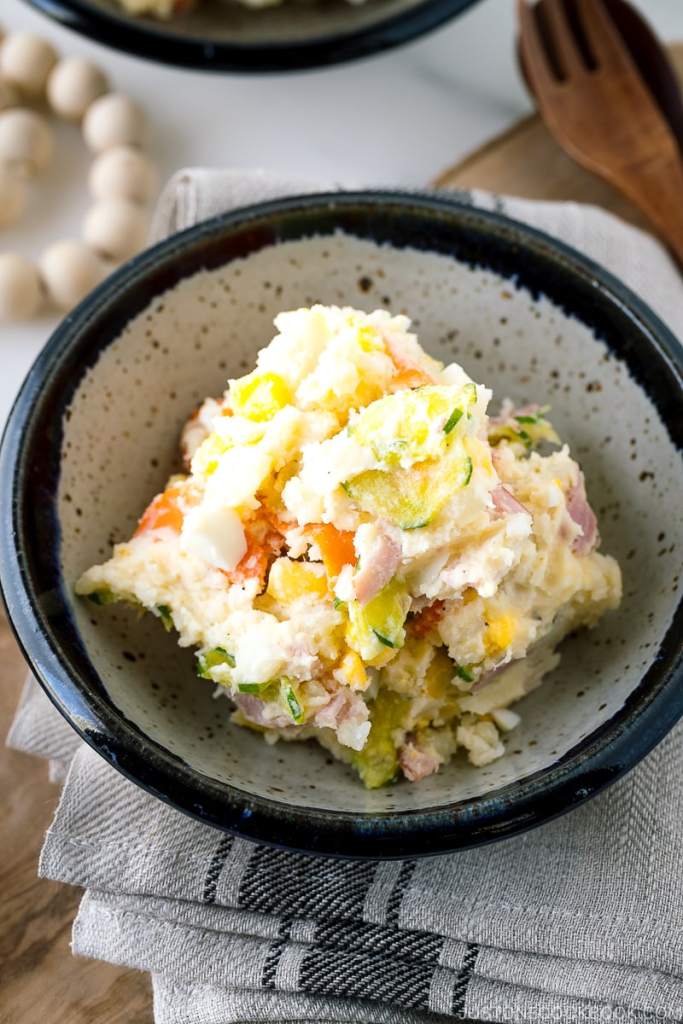
Japanese Potato Salad 

By J. Kenji López-Alt

A classic side dish for homemade lunch boxes or bento picnics, a Japanese potato salad is made with boiled russet potatoes, vegetables, boiled eggs and, often, ham, all seasoned with rice vinegar and tangy Japanese Kewpie mayonnaise. The potatoes in Japanese potato salad are typically roughly mashed, but you can dice them if you prefer a heartier texture. Salting the cucumber in advance helps it retain some crunch when you mix it into the salad, while adding vinegar to the potatoes while they’re still hot helps them absorb more flavor.

Note: My family makes this dish with Yukon gold potatoes, carrots, a salted, drained, and squeezed out cucumber, a thinly sliced raw apple, some chopped white onion, and sometimes, a thinly sliced Japanese fish cake (a processed seafood product). The Kewpie mayonnaise definitely adds an authentic flavor.

INGREDIENTS

Yield: 4 to 6 servings

  • 1 pound russet potatoes (about 2 whole large potatoes), peeled and cut into large chunks
  • Salt
  • 2 eggs
  • 1 tablespoon rice vinegar, plus more to taste
  • 2 teaspoons sugar
  • 1 small Japanese or Persian cucumber, or ½ an English cucumber (about 4 ounces), quartered lengthwise, seeds removed and discarded, and thinly sliced
  • 1 small carrot (2 to 3 ounces), quartered lengthwise and thinly sliced (The carrot, just thinly sliced, can be cooked with the potatoes.)
  • ½ cup thawed frozen corn kernels or briefly boiled fresh corn kernels (optional)
  • ¼ cup chopped radish (about 2 radishes; optional)
  • 2 scallions, thinly sliced
  • 5 tablespoons Kewpie mayonnaise (see Tip), plus more to taste
  • 1 teaspoon grated lemon zest
  • 1 teaspoon fresh lemon juice, plus more to taste
  • Freshly ground black pepper
  • Preparation
  • Step 1: In a medium saucepan, cover the potatoes with cold water by at least 1 inch. Add a few big pinches of salt. Bring to a boil over high heat. Gently lower the eggs into the pot. Cover, reduce to a bare simmer, and cook until the potatoes are tender and show no resistance when pierced with a knife or cake tester, 10 to 12 minutes. Drain the potatoes in a colander and spread in a single layer on a large rimmed baking sheet. Immediately sprinkle with vinegar and sugar. Set aside until completely cool, at least 15 minutes. Transfer the eggs to a bowl of ice water and peel when completely cool.
  • Step 2: Meanwhile, toss the cucumber with a big pinch of salt in the bottom of a large bowl and set aside until the potatoes are cool.
  • Step 3: When the potatoes are cool, add them to the bowl with the cucumber and lightly mash with the back of a fork until some bite-size chunks still remain.
  • Step 4: Add carrot, corn, radish, scallion, mayonnaise, lemon zest and juice. Squeeze the hard-boiled eggs through your clean fingers to break them up, or chop them with a knife and add them to the salad. Stir together and season with pepper, more salt, sugar, vinegar, lemon juice or mayonnaise, or a combination, to taste.
  • TIP
  • Kewpie is a Japanese brand of mayonnaise with a thicker texture, and tangier, though any mayonnaise you prefer will work in this recipe.