‘We’re an Asian Diner located underneath the Manhattan Bridge in Chinatown NY. We specialize in serving classic NY diner dishes that have been influenced by the neighborhood. We work with some pretty great farmers and local purveyors.”
123 Madison Street New York, NY 10002
My family and I had a delightful brunch here. The food was incredibly fresh and delicious. The only negative thing I have to say about brunch was the hour long wait to get in. No reservations are accepted. However, the diner is just a few blocks from the East river with its views of the water, skyline, bridges and piers of the city. According to the NYTimes, “this promenade encapsulates New York’s history.”
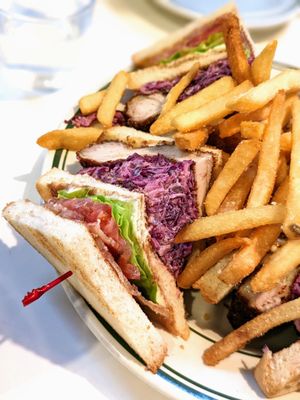
Don’t miss their Honey Butter Pancakes, their Chinatown Egg and Cheese Sando, or their Chicken Katsu Club. (Fries were really good, too.)They are open Tuesday – Sunday from 10 am to 10 pm.
My family has a vacation home upstate where we all love to gather for weekends and/or holidays. We love to cook together to eat old favorites or try new recipes, many of which I have previously published here. Of course we love getting out of the kitchen to try some of the local restaurants. Usually we focus on ones that use seasonal ingredients from local farms and vendors, and the result is that I have two wonderful ones to mention. As we find others, I will include them.
Located in the northern Catskill Mountains Is Julia’s Local, in Round Top, serving rustic American cuisine with a Scandinavian twist. Most of their food is homegrown, and the menu changes daily, as the harvest in their culinary garden changes, as well as the availability of other ingredients. We started our meal with a Snack Stand $24, just-picked garden goodies, pickled things, *rillettes, Chef Henning’s butter-of-the-day (ours was cranberry – dill), maldon salt, house-baked sourdough bread. All was amazing! The fresh baked bread was hot and crusty and soft inside.
*rillettes – French pork that is a long, slow-cooked meat spread with duck legs and herbs
Beef Short Rib Bourguignon $32 with horseradish mash was our next menu item. Oh, my! Cooked to perfection! We finished our meal with pots of mint tea and a Tarte au Citron with a vanilla meringue.
Another recommendation is Willa’s Bakery and Cafe, a neighborhood breakfast and lunch spot located next to the Hudson River in the charming village of Catskill. They also offer brunch on weekends.
“Our food, including a rotating selection of baked goods, is made from scratch and served with care and pride. As much as possible, we use seasonal ingredients from local farms and vendors – which reflects our commitment to being a part of our community and offering the best possible products.” Their BLT sandwich is packed with perfectly cooked bacon, lettuce, tomato, and herb mayo on arborio sourdough. Everything we tried was fresh and delicious. Their menu is extensive with fair pricing.
Cranberries and orange are a classic sweet-tart pairing in these scones, which are quick-to-make but super satisfying. Folding the dough a few times, and using a combination of buttermilk and cream creates a flaky and tender texture that is irresistible. The glaze adds another punch of orange flavor, but it is totally optional, if you prefer a simpler scone. The scones freeze well after baking, but for the best texture, make sure to defrost them at room temperature and warm gently before serving.
Yield: 9 scones
1 medium orange
¼ cup/50 grams granulated sugar, plus more for sprinkling
2¼ cups/288 grams all-purpose flour, plus more for dusting
1 tablespoon baking powder
½ teaspoon fine salt
½ cup/113 grams unsalted butter, cold and cut into cubes
½ cup/115 grams heavy cream, cold, + more to brush over the scones.
For the optional glaze:
1 cup/100 grams confectioners’ sugar
4 to 6 teaspoons orange juice
Pinch salt
PREPARATION
Heat oven to 400 degrees and line a baking sheet with parchment paper.
Zest the orange into a large bowl. (You should have about 2 teaspoons of zest.) Reserve the remaining orange for the glaze. Add the ¼ cup granulated sugar to the zest and use your fingers to rub the zest into the sugar. The mixture will be very moist and fragrant. Add the flour, baking powder and salt and whisk to combine.
Add the butter to the bowl and toss to coat in flour. Use your fingers or a pastry blender to work the butter into the flour until it is the size of small peas. Add the cranberries and stir to combine. Make a well in the center of the mixture and add the buttermilk and cream. Use a fork to gently stir the mixture into a shaggy dough. (It’s OK if there are a few loose, floury pieces of dough.)
Dump the dough onto a lightly floured surface and pat it into a 1-inch-thick rectangle. Fold the dough in half then pat it into a rectangle again and fold it one more time. Pat the dough into a square that is about 7 inches wide and 1 inch thick, then cut it into 9 pieces. Transfer the dough to the prepared baking sheet, brush the tops of the scones with a bit of cream and sprinkle with more granulated sugar.
Bake scones until golden brown and cooked through, 18 to 22 minutes.
While the scones are baking, make the glaze, if desired: Juice the orange. Add the confectioners’ sugar, 4 teaspoons of orange juice and a pinch of salt to a bowl. Whisk until smooth, adding more juice as needed to make a thick, but pourable glaze.
Let the scones cool for about 15 minutes, then drizzle or brush the glaze over the scones. These are best the first day, but you can store any leftover scones in an airtight container for a day or two. They also keep well in the freezer for up to 2 weeks
Please check out the Tate’s Chocolate Chip Cookie recipe for another version (and I think a better one). Also, I added my take on how to cook a brisket on the Beef Stew recipe. I will aways update recipes if I come across better ones.
Ursula, a James Beard finalist in 2020, serves New Mexican inspired cuisine. We went for brunch and enjoyed their breakfast burritos with housemade chorizo (or bacon), scrambled eggs, hash browns and cheddar stuffed inside a flour tortilla. Wow! To agree with Eater, NY, (they) “delivered a payload of multiflavored, multitextured pleasure.”
Do ask for the green chile sauce “on the side.”
Ras Plant Based, according to the New Yorker Magazine, is an “Ethiopian tradition for the vegan-curious… (an) homage to ancestral Ethiopian recipes reimagined through a contemporary lens.”
There are two Ras Plant Based restaurants – one on Pier 57 in NYC and the other in Crown Heights. Dishes run from $5 to $19.
The menu is quite extensive. Some of the items are: Flaky sambusas (the Ethiopian equivalent to what’s called a samosa in South Asia and elsewhere), which are stuffed with either lentils or chopped cabbage, onion, and bell pepper.
Injera, which comes with the vegan sampler platter, is a porous, slightly sticky national flatbread of Ethiopia, made from a deliciously sour fermented teff-flour dough and is torn into pieces and combined with tomato, onion, and jalapeño, all doused in a puckery lime vinaigrette.
I had one of their “bowls.” All bowls have a brown turmeric rice base, a drizzle of homemade hot sauce, and injera crumble and cilantro topping.
BOLÉ BOWL
Ras kitfo – soy protein crumble, onion, jalapeño, spice infused oil, Alicha shiro – slow simmered chick pea; holy basil, Gomen – steamed collards, Yatakilt – cabbage, carrot, bell pepper, and Avocado salad – served with tomato, onion, jalapeño.
New Post: Claudia’s of Brooklyn; Guatemalan cuisine
I had their Traditional Plato Breakfast and loved it – soft scrambled eggs with bits of tomato and onion, black beans sprinkled with queso, sweet plantains, and a side of tortilla and crema. Their menu is quite extensive and includes sandwiches, vegan and children’s options.
Preheat oven to 350°F. Coat a standard (8 1/2×4 1/4″) loaf pan with nonstick vegetable oil spray. Dust with flour; tap out excess. Whisk 1 1/2 cups all-purpose flour, 2 teaspoons baking powder, and 3/4 teaspoon kosher salt in a medium bowl. Using your fingers, rub 1 cup sugar with 1 tablespoon finely grated lemon zest in a large bowl until sugar is moist. Add 3/4 cup whole-milk Greek yogurt, 1/2 cup vegetable oil, 2 large eggs, and 1/2 teaspoon vanilla extract; whisk to blend. Fold in dry ingredients just to blend. Pour batter into prepared pan; smooth top. Bake until top of cake is golden brown and a tester inserted into center comes out clean, 50-55 minutes. Let cake cool in pan on a wire rack for 15 minutes. Invert onto rack; let cool completely. DO AHEAD: Can be made 3 days ahead. Store airtight at roomtemperature.
Note: I used melted butter instead of oil and buttered and sugared my loaf pan before adding batter. Cake is as good as it looks!
Hummus is an ideal dip for picnics, parties and everyday snacking. Serve it with pita, chips, crackers or cut vegetables. In this hummus recipe, adapted from “How to Cook Everything,” tahini is essential, as are garlic and lemon. But this dip is also flexible: cumin and pimentón are optional, as are herbs or blends like za’atar. Hummus can be refrigerated in an airtight container for up to one week.
INGREDIENTS
Yield:6 to 8 servings
2 cups drained well-cooked or canned chickpeas, cooking liquid reserved if possible
½ cup tahini, with some of its oil
¼ cup extra virgin olive oil
2 cloves peeled garlic, or to taste
Juice of 1 lemon, plus more as needed
Salt and freshly ground black pepper
1 tablespoon ground cumin or paprika, or to taste, plus a sprinkling for garnish
Chopped fresh parsley leaves for garnish
PREPARATION
Put the chickpeas, tahini, cumin or paprika, oil, garlic and lemon juice in a food processor, sprinkle with salt and pepper and begin to process; add chickpea-cooking liquid or water as needed to produce a smooth purée.
Taste and adjust seasoning, adding more salt, pepper or lemon juice as needed. Serve, drizzled with some olive oil and sprinkled with a bit of cumin or paprika and some parsley.
1 cup plus 2 tablespoons light tahini paste (270 grams)
4 tablespoons freshly squeezed lemon juice
4 cloves garlic, crushed
Salt
6½t tablespoons ice-cold water (100 milliliters)
Put chickpeas in a large bowl and cover with cold water at least twice their volume. Leave to soak overnight.
The next day, drain chickpeas. In a medium saucepan, add 6½ cups water and bring to a boil. Cook at a simmer, skimming off any foam and any skins that float to the surface, from 20 and 40 minutes, depending on the type and freshness. Once done, they should be very tender, breaking easily when pressed between your thumb and finger, almost but not quite mushy. (They may cook longer than expected.)
Drain chickpeas. You should have roughly 3 cups (600 grams) now. Place chickpeas in a food processor and process until you get a stiff paste. Then, with the machine still running, add tahini paste, lemon juice, garlic and 1½ teaspoons salt. Slowly drizzle in ice water and allow it to mix for about 5 minutes, until you get a very smooth and creamy paste.
Transfer hummus to a bowl, cover surface with plastic wrap, and let it rest for at least 30 minutes. If not using immediately, refrigerate until needed, up to two days. Remove from fridge at least 30 minutes before serving.
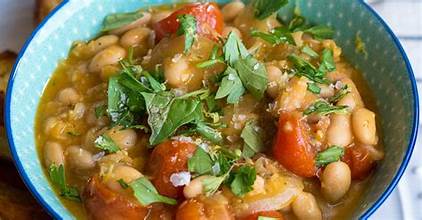
This hearty, flexible stew comes together with pantry ingredients and delivers layers of flavors. Cherry tomatoes, roasted in a generous glug of olive oil to amplify their sweetness, lend a welcome brightness to this otherwise rich dish. Onion, garlic and red-pepper flakes form the backbone of this dish, to which white beans and broth are added, then simmered until thick.
Note: I made this stew using only 1/4 cup of the chicken stock and 1 cup of water. You can avoid the stock altogether if you want to makethe meal vegetarian.
INGREDIENTS
Yield:4 to 6 servings
½ cup roughly chopped Italian parsley leaves and tender stems
2 teaspoons lemon zest (from 1 large lemon) Note: If your tomatoes are not sweet, the zest is unnecessary.
2 (10-ounce) containers cherry or grape tomatoes
¼ cup olive oil, plus 2 tablespoons and more for drizzling (optional)
1 tablespoon fresh thyme leaves
Kosher salt and black pepper
1 medium yellow onion, thinly sliced
3 large garlic cloves, thinly sliced
½ teaspoon red-pepper flakes
2 (15-ounce) cans white beans (such as butter or cannellini), rinsed
1½ cups vegetable or chicken broth, or water
Flaky salt, for serving (optional)
Toasted bread, for serving
PREPARATION
Heat the oven to 425 degrees. In a small bowl, gently toss together the parsley and lemon zest with your hands until well combined; set aside.
In a large baking dish or on a sheet pan, toss the tomatoes with ¼ cup oil and thyme; season well with salt and pepper. Roast tomatoes until they have collapsed and begin to turn golden around the edges, 20 to 25 minutes.
When the tomatoes are almost done roasting, heat 2 tablespoons oil in a large (12-inch), deep skillet or Dutch oven over medium. Add the onion, garlic and red-pepper flakes and cook until the onion is softened and the garlic is fragrant, 4 to 5 minutes. Stir in the rinsed beans and broth and bring to a simmer. With the back of a spoon or spatula, gently smash about ½ cup of the beans so they slightly thicken the broth. If you want a thicker stew, crush some more of the beans. Season with salt and pepper.
When the tomatoes are finished roasting, add them directly to the stew along with any juices that have been released. Simmer for 5 to 10 minutes more so the flavors become friendly; season to taste with salt.
Ladle into shallow bowls. Top each serving with some of the lemon-parsley mixture and drizzle with more olive oil, and season with flaky salt, if you like. Serve with toasted bread.
The dish is vegan as written, but should you choose to top your bowl with a showering of grated pecorino or Parmesan, it would most likely work well in your favor.
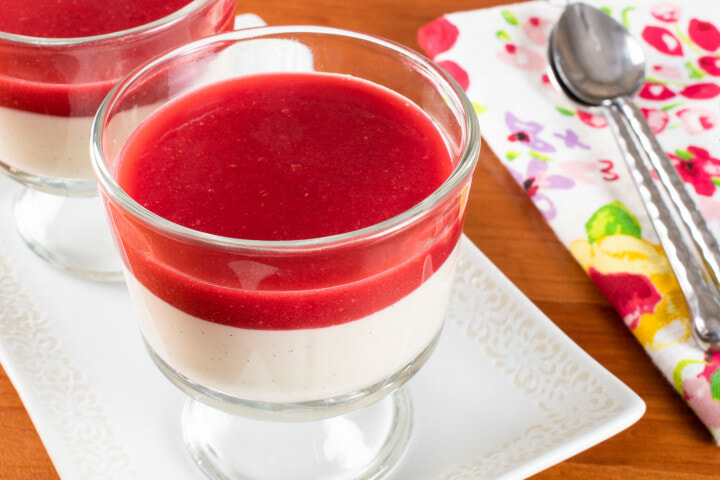
Though panna cotta means “cooked cream” in Italian, this pudding-like dessert actually spends very little time on the stove. Gelatin and sugar are dissolved in warm milk before being mixed with heavy cream and vanilla, then poured into ramekins to chill and set. Surprisingly simple and ideal to make in advance, this recipe makes a traditional vanilla-flavored panna cotta that can be dressed up any number of ways, with fresh berries or a raspberry coulis. Serve directly from the ramekins for a more casual dessert, or unmold the panna cottas for an impressive and elegant end to any meal.
INGREDIENTS
Yield:6 servings
Neutral oil or nonstick cooking spray, for the ramekins
Lightly brush six (6-ounce) ramekins, water glasses or molds with neutral oil, wiping away any excess with a paper towel.
Pour the milk into a medium saucepan. Sprinkle the gelatin onto the milk in an even layer and set aside for 5 minutes for the gelatin to “bloom.” The surface of the milk will turn dry and wrinkly.
Turn the heat to low and cook, stirring often, until the gelatin is dissolved, about 2 minutes. Add the sugar, turn off the heat and stir until the sugar is dissolved, returning the pan to low heat to rewarm if needed. Stir in the vanilla and salt.
Pour the milk mixture through a sieve into a large glass measuring cup or other heat-proof container with a pouring spout. Add the cream and stir to combine. Divide the mixture among the prepared ramekins, cover with plastic wrap, and refrigerate until set, at least 4 hours.
Serve the panna cottas directly from the ramekins, or unmold if desired. To unmold: Just before serving, add 1 inch of hot tap water to a small bowl. Place one of the ramekins in the bowl, being careful that the water doesn’t overflow into the ramekin, and hold it there for 10 seconds. Remove the ramekin and dry the bottom with a dish towel. Run a sharp knife around the sides of the panna cotta, then place an upside-down dessert plate over the ramekin. Holding the two together, flip the plate so that the ramekin is inverted. Wiggle and tap the sides of the ramekin to release the panna cotta. If it does not release, return the ramekin to the water for another 5 seconds.
Repeat with the remaining ramekins, refilling the small bowl with more hot water as necessary. Top the panna cottas with fruit or other desired toppings and serve.
Raspberry Coulis: this recipe is from For the Love of Cooking
12 oz fresh raspberries (can use frozen berries but must be thawed)
¼ cup water
7 tbsp sugar (less if the berries are very sweet)
⅛ tsp salt
2 tsp fresh lemon juice
Make the raspberry coulis while the panna cotta is setting in the refrigerator by combining the raspberries, water, sugar, and salt together in a saucepan over medium heat. Cook, stirring often, until the sugar is dissolved and the berries are heated through, about 1-2 minutes.
Pour the mixture into a blender and puree until smooth, about 20 seconds.
Strain through a fine-mesh strainer into a measuring cup, pressing and stirring the puree with a rubber spatula to get as much seedless puree as possible. Add the lemon juice; mix well.
Cover with plastic wrap and place in the refrigerator for at least an hour, or until needed.
Pour some raspberry coulis on top of the panna cotta then serve. Enjoy!






 My Picky Mother